Wazee: Rochester Circle of Elders
Wazee is a Swahili word for highly respected Elders. It carries the sense of Elders who are recognized for wisdom, experience, memory, guidance, and responsibility.
The Wazee Umoja Challenge:Wazee: Rochester Circle of Elders recognize that Elders hold a vital role in the Village, but they do not operate alone, nor does any single element carry the whole. Elders help hold memory, meaning, continuity, coherence, and long-view responsibility across generations. They help orient the Village to its values, its Ancestors, its obligations, and its becoming. Yet a healthy Village also requires leaders who mobilize vision into action, stewards who sustain the practical and relational needs of Village life, deep kinship and families that carry belonging into daily practice, and youth, organizers, healers, teachers, and community members who bring life, creativity, and renewal. In this spirit, we call all segments of the Village and the broader community into right relationship, recognizing that all of us together carry long-standing ancestral obligations to future generations. Together, In the spirit and practice of Umoja and the Nguzo Saba, may we meet that call and fulfill our collective destiny.

Our MissionThe Wazee: Rochester Circle of Elders mission is rooted in the African values of the Nguzo Saba, our culture and spirituality, we gather as Elders to provide stewardship and protection to our families, organizations, and villages across generations.

Our Orientation and ValuesThe Wazee orientation is relational, generational, and life-affirming. We seek to be and become in relationship with one another, the Earth and Spirit.The Nguzo Saba express our values. These seven principles are practical, relational, ethical, and spiritual. Together, they name how the Village chooses to live:- Umoja — Unity
- Kujichagulia — Self-determination
- Ujima — Collective work and responsibility
- Ujamaa — Cooperative economics
- Nia — Purpose
- Kuumba — Creativity
- Imani — FaithIn this way, Eldership becomes Africa‑rooted in presence, responsibility, discernment, and care for the whole. We maintain a long-term focus and avoid urgency.

Our Intentions· To enrich our Circle and community identity, culture and orientation through grounding, listening, supporting, and trusting
· To practice the relational values of the Nguzo Saba
· To be welcoming and bring together all corners of the African community, being and seeing one another in right relationship
- To guide, sustain, and develop together as a community of Villages through both stewardship & service
-To design and affirm Rites of Passage as our way to grow and mature in the world, through
the Kinship that births us,
the Village that forms us,
the Stewardship that educates us,
the Community that strengthens us,
the Mainstream that tests us,
and Ancestral Obligation which calls us to perpetually return, strengthen, and sustain the Village.
Our Purposeful Actions:In stewardship and service these are the actions we commit to and support:- Kwanzaa
-Ma'afa Commemoration
- Juneteenth
- MLK Day
- Meditations,
- Mentoring,
- Naming ceremonies,
- Marriages,
- Libations,
- Rites of Passage,
- Transitions,
- Education,
- Genealogy,
- Elder Support and Self Care,
- Creative Arts & Cultural Activities,
- "Ask an Elder" listening & counsel
- Mediation,
- Connect and gather together regularly in person and online.

Our History:Elders have long been part of the Greater Rochester community, contributing to our collective well‑being. Although Elders participated informally in Juneteenth celebrations for many years, the relationship became clearer and was formally recognized on Saturday, June 19, 2021, when Elders poured libation, honored the Ancestors, and opened the celebration.Beginning in 2022, Community Elders have been publicly named by the Elders Subcommittee in recognition of their individual and collective contributions to Greater Rochester. To date, 27 Elders have been recognized, with 6 having transitioned to become Ancestors over the last five years.
The Wazee has emerged from a recognized need to reclaim Eldership as a village‑rooted practice and to restore Elders to their rightful place within the community.
Stepping into the CircleHow to become a part of the Wazee: Rochester Circle of Elders.- Be recognized as an Elder by a family, organization, or other community‑rooted formation.
- Introduce yourself through the lineage of your people and the places your Ancestors come from.
- Share your life, relationships, and why you feel called and ready to join the Wazee: Rochester Circle of Elders.
- Speak to your alignment with the spirit of the Wazee definition of an Elder.Once recognized, Elders engage in a process of peer and self‑assessment to discern where we are on the Eldership journey, where we aspire to be, and how we will continue to grow in service to the Village, ourselves, and those to whom we are accountable in relationship.
Types of EldersFamily Elder:
Recognized by Family, lineage, kin; Upholds memory, values, care, repair, belonging
Addresses the core question, what must our family remember, repair, and pass on?Spiritual Elder:
Recognized by spiritual community; Upholds Spirit, sacred practice, values, care, moral formation; Addresses the core question, are we living what we claim to believe?Organizational Elder:
Recognized by organization, institution, association, or movement. Upholds purpose, values, trust, history, integrity. Addresses the core question, are we still aligned with our purpose?Community Elder:
Recognized by neighborhood or broader community. Upholds trust, shared values, healing, public memory, collective responsibility. Addresses the core question, what does the community need in order to heal and continue?Village Elder:
Recognized by the living relational field of the Village. Upholds cohesion, coherence, continuity, right relationship, maturity, Spirit, Ancestors, unborn generations. Addresses the core question, what is the Village becoming across generations?

Depth of Elder CallingRespected Older Adult:
One recognized for age, experience, and presence in a family or local setting. They emphasize respect, listening, inclusion.Recognized Family Elder:
One trusted to help guide family memory, values, care, conflict, and continuity within a family, lineage, kinship group. They emphasize family and kinship history, repair, intergenerational responsibility.Functional Elder:
One who serves as a trusted guide in a spiritual community, organization, or community institution or community. They emphasize clarity, ethical responsibility, service, stewardship.Community Elder:
One recognized across groups for wisdom, steadiness, values, and public trust. The emphasize broader community engagement, history, bridge building, restorative practice.Village Elder:
One who helps orient the Village across generations. They emphasize Village relational field African worldview, relational formation, values, Rites of Passage, Spirit, Ancestors, governance, continuity.Deep Elder:
One who carries profound long view discernment and helps hold the people across historical, ancestral, spiritual, and future time; Their scope is broad, including village and Pan African networks, cross generational and global engagement. They emphasize deep study, spiritual discipline, humility, restraint, ancestral accountability, lived recognition.
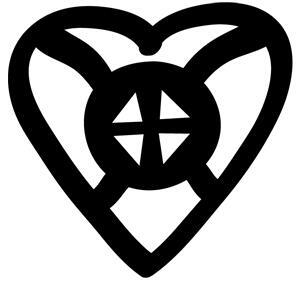
Returning to the Umoja ChallengeThe Wazee Umoja Challenge calls us to come together with Elders and deepen our understanding of ourselves, our circumstances, and our responsibilities to one another. It asks us to strengthen care, character, and unity across generations for our well-being, longevity, coherence, and alignment together.We meet this challenge by understanding how people grow and support one another through life's stages and in the world.We are birthed through Kinship, where belonging first teaches us who we are and names us. We are formed by the Village, where memory, values, care, correction, and responsibility shape our becoming. We are educated through Stewardship, where gifts are developed, purpose is clarified, and service is learned. We are strengthened by Community, where our relationships widen and our obligations deepen. We are tested by the Mainstream, where we must navigate power, pressure, distraction, and possibility without losing ourselves.These stages help form identity, belonging, purpose, and accountability.They become the basis for Rites of Passage guiding movement and marking development through these stages, preparing people for greater responsibility while strengthening relationship to family, village, community, Spirit, Ancestors, and future generations.This challenge asks us: Elders; leaders; stewards; caregivers; educators; families; and youth, to recognize our roles in communal life and contribute intentionally and responsibly to one another's development.This is the path to sustained relational, wholistic, development and maturity for our people addressing the material, social, ecological, and spiritually dimensions of life. It is how we build trust, cultivate coherence, protect life, and carry forward the conditions needed for future generations to flourish.This work requires collective responsibility, reciprocity, interdependence, Spirit, and care across generations.Ultimately, it leads us to Ancestral Obligation—the responsibility to honor those who came before us and those who will come after. We are not only beneficiaries of a legacy but stewards of it..This is the work before us. This is the covenant we inherit and renew.Together, in the spirit of Umoja and the Nguzo Saba, may we walk this path with wisdom and courage in fulfilling the covenant required to "walk the way of the new world."

THE 2026 ROCHESTER COMMUNITY ELDERS
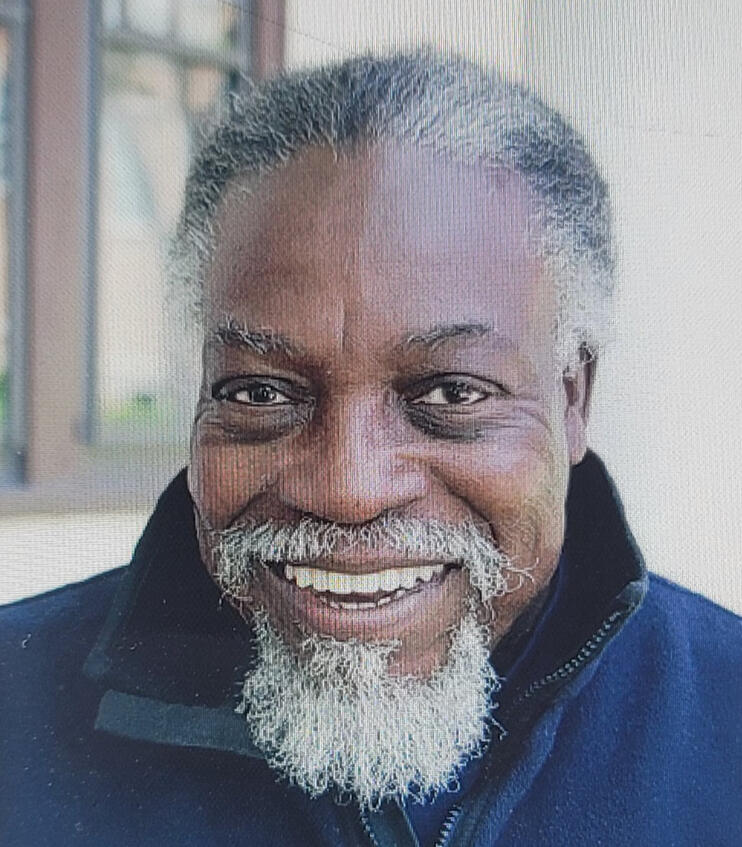
Luvon Sheppard
Artist, Educator, ActivistA resident of Rochester since he was five years old, Sheppard received his bachelor’s and master’s degrees at Rochester Institute of Technology, where he is a full professor in the School of Art and Design. Luvon has also taught at SUNY Brockport and Geneseo Universities.
Sheppard’s paintings reflect his involvement in Rochester community life. He is known for his watercolor
LUVON SHEPPARD www.joygallery.orgRESTORATION ART COMPANY INCORPORATED
551 Genesee Street, Rochester NY by appointment 585.436.5230Sheppard’s paintings reflect his involvement in Rochester community life. He is known for his watercolorstreet scenes and portraits of local African-American heroes, including abolitionist Frederick Douglass, choreographer and dancer Garth Fagan, and community activist Mildred Johnson.
His work is in the permanent collections of the Memorial Art Gallery, the City of Rochester, the Museum of Fine Arts in Boston, the University of Seoul, S. Korea, The Henrietta School District, Rochester Institute of Technology, Rochester Savings Bank, Garth Fagan Dance, and many other institutions.
Luvon Sheppard has always played an active leadership role in the Rochester arts community. In 1970 Sheppard became the Memorial Art Gallery’s first neighborhood affairs coordinator. He also was instrumental in the creation of the Allofus Workshop, a groundbreaking organization created to provide community art classes. Over the years, Luvon has received many awards and has made numerous appearances on local television stations. For over 35 years he has lectured throughout the greater Rochester area and serves on several committees and boards.
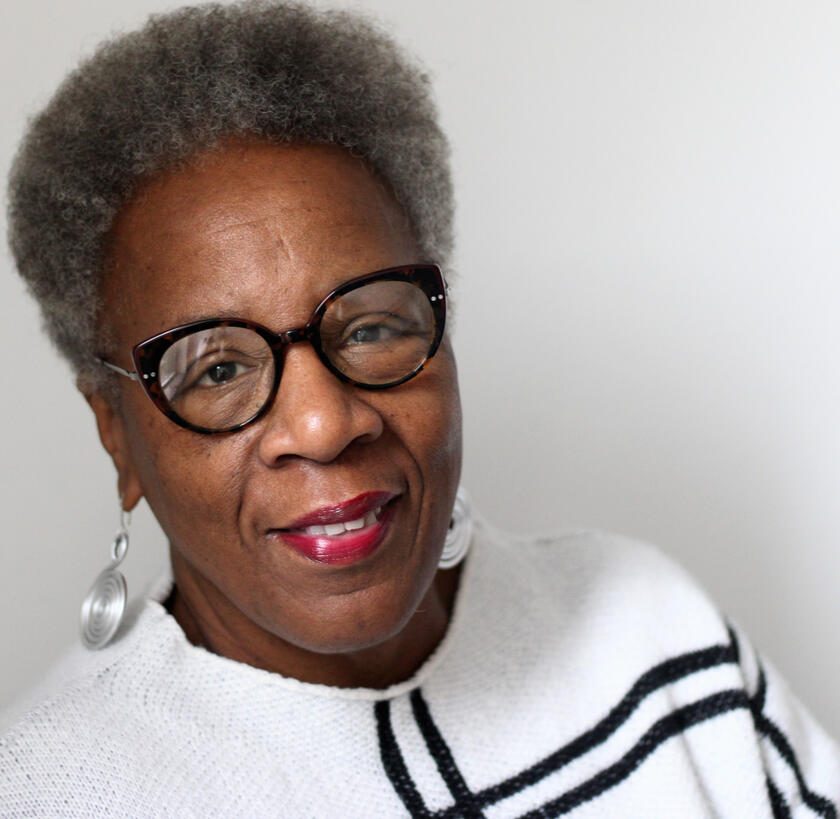
Catherine Thomas
Activist, volunteer, motherCatherine Thomas is a native Rochesterian. She recently retired after serving thirty-five plus years in the Human Service sector, not-for-profit and for-profit sector. Catherine has two sons. She enjoys traveling and spending time with her grandchildren. She is a community pillar that continues to be involved in the trends of serving people.Catherine finds fulfillment in volunteering her time , talents and treasures especially since she has retired. She serves on numerous boards, which include House of Mercy, Breast Cancer Coalition, Metropolitan Women’s Network, (NCNW), Green Tech Rochester, board member, Trustee for the American Association of University Women, Inc. and the Police Accountability Board. She volunteers to cook meals for the homeless, she serves as a mentor for Black and Latina Girls Matter(BG/lm).One of her favorite African Proverbs is “A single bracelet does not jingle” emphasizing the importance of community.Catherine is an Alumni of the University of Rochester and Syracuse University. She has received many Community Awards. She most recently received the proclamation from the mayor on her retirement and was a recipient of recognition from the Poster Board “Tapestries of Generation presented at the annual "A Call to Women of Color” event 2024.
My favorite pastimes are reading, spending time with family, traveling, enjoying nature and appreciating life .
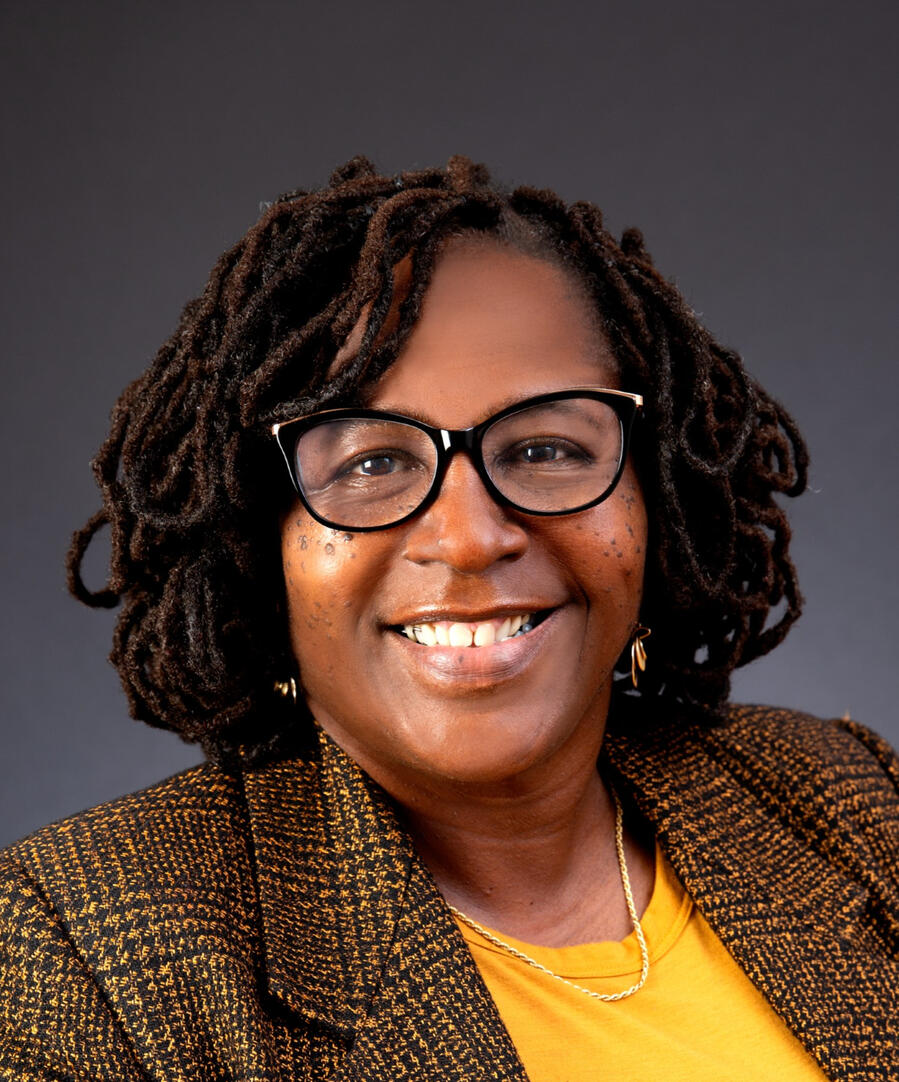
Jackie Dozier
Cultural broker, health educator, and community health advocate.Jackie Dozier is a lifelong community advocate, Director of Community Health and Well-being at Common Ground Health. In particular, Ms. Dozier, has led community efforts focusing on awareness of health disparities impacting communities of color.Ms. Dozier has a long and distinguished professional and volunteer career advocating for health equity. Currently serves on the African American Health Coalition at Common Ground Health. Ms. Dozier is a proud graduate of the African American Leadership Development Program (AALDP) Class of 2009 (Disciples of Change - rumored to be the best graduating class ever). Ms. Dozier is a member of the Black Women’s Leadership Former (BWLF), Rochester, NY. She has served as a Cultural Broker for the Rochester Monroe Anti-Poverty Initiative. Ms. Dozier serves as a founding member of the Greater Rochester Black Agenda Group BAG).Ms. Dozier oversees 30 barbershops and beauty salons of the Get it Done Initiative, one of Common Ground Health’s projects. Training owners and stylist to educate their customers on HBP HIV/STI, COVID 19 and other health concerns in Black and Latino communities. The HIV/AIDS epidemic has been a particular focus of Ms. Dozier’s community work. She is an alumna of the HIV/AIDS Community Mobilization College of the Black AIDS Institute in California. Ms. Dozier serves as a Community Advisory Board member of the Rochester Victory Alliance HIV Vaccine Trials at the University of Rochester Medical Center; as well as a former member of the NYS AIDS Institute’s HIV Advisory Body.Developed and implemented A Call to Women of Color Social Gathering (ACTWOC); Wisdom Keepers and Wisdom Seekers (Formerly Black Girls and Latina Girls Matter Workshops) for women and girls. Faith and leadership are important hallmarks of Ms. Dozier’s community activities.
Ms. Dozier holds a Bachelor of Science Degree in Healthcare Administration.
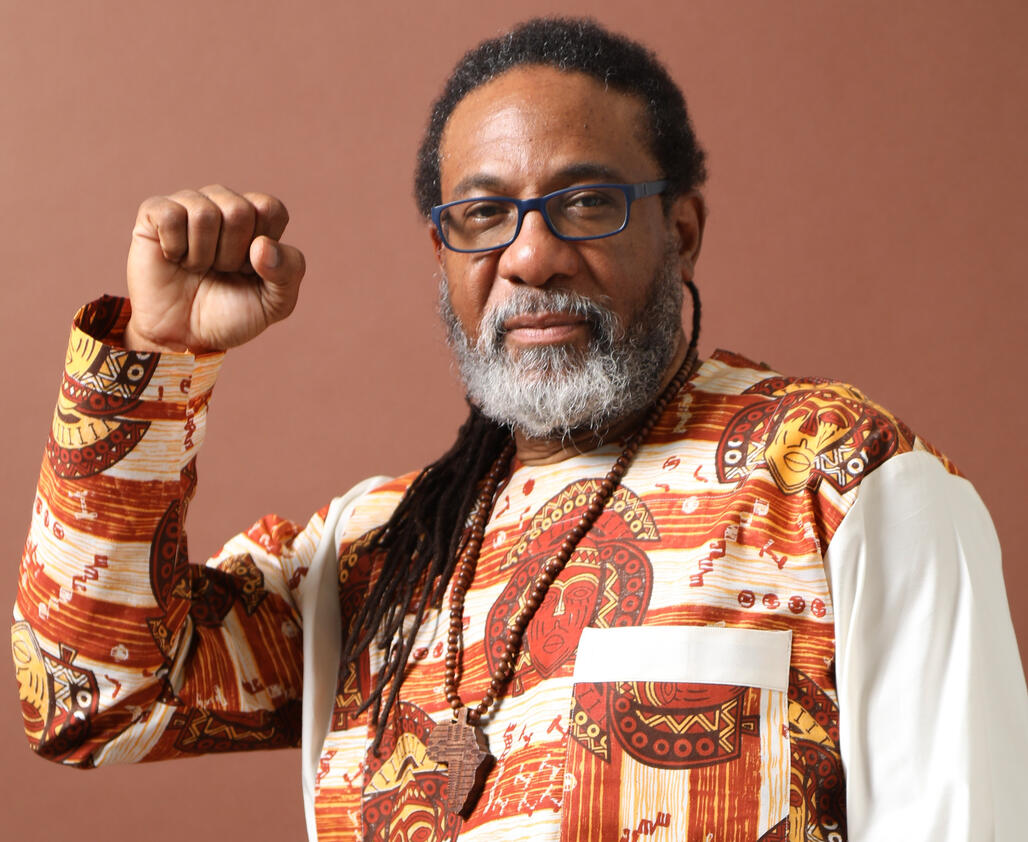
Jerome M. Underwood
Activist, educator, Health advocate, administrator, husband and father.
Jerome H. Underwood is President & CEO of Action for a Better Community, Inc. (ABC). The agency is part of the National Community Action Partnership (NCAP), a network of 1,000 Community Action Agencies (CAA), originally established under the Economic Opportunity Act of 1964 to fight America’s war on poverty. Providing services in Monroe and Ontario counties (New York State), ABC serves families by offering an array of programs and services in the areas of employment, early childhood education, youth services, adult education services, health services, community development and energy conservation. Racial equity and social justice advocacy are core to ABC’s work. The agency’s mission is to promote and provide opportunities for low-income individuals and families to become self-sufficient.Born on the beautiful Caribbean island of Antigua, Jerome holds an MBA in Finance from Rochester Institute of Technology, and a Bachelor of Science degree in Accounting from St. John Fisher College. He is a pioneering graduate of the United Way’s African American Leadership Development Program (AALDP) and has been part of the program’s faculty. Prior to joining ABC in 2018, Jerome held managerial finance positions covering 20 years in commercial banking and the private sector. He also spent 9 years at the Rochester City School District as Chief of Operations and Senior Director of Youth & Family Services.Jerome is a board member of Highland Hospital, Common Ground Health, New York State Community Action Association (NYSCAA), and the United Way of New York State. He sits on the advisory board of the Wilmont Cancer Institute at the University of Rochester Medical Center. He is a Director of the Jane E. Toussaint Foundation, an Underwood family foundation based in Antigua. Jerome is a founding member of the Greater Rochester Black Agenda Group and has been named to the Rochester Business Journal’s Power 100 List for 6 consecutive years 2021-2026.An avid lover of soccer, Jerome also enjoys mentoring young people, and does motivational speaking in the subject areas of African History, Spirituality & Culture, Leadership, Education, and Personal Management. Jerome is married to Lorna, and they have three adult children, Nkosi, Damali, and Shakir.

Wazee Recognition Ceremony: Juneteenth 2026
Photos
https://photos.app.goo.gl/sC1PJHApjYPm9XbL7
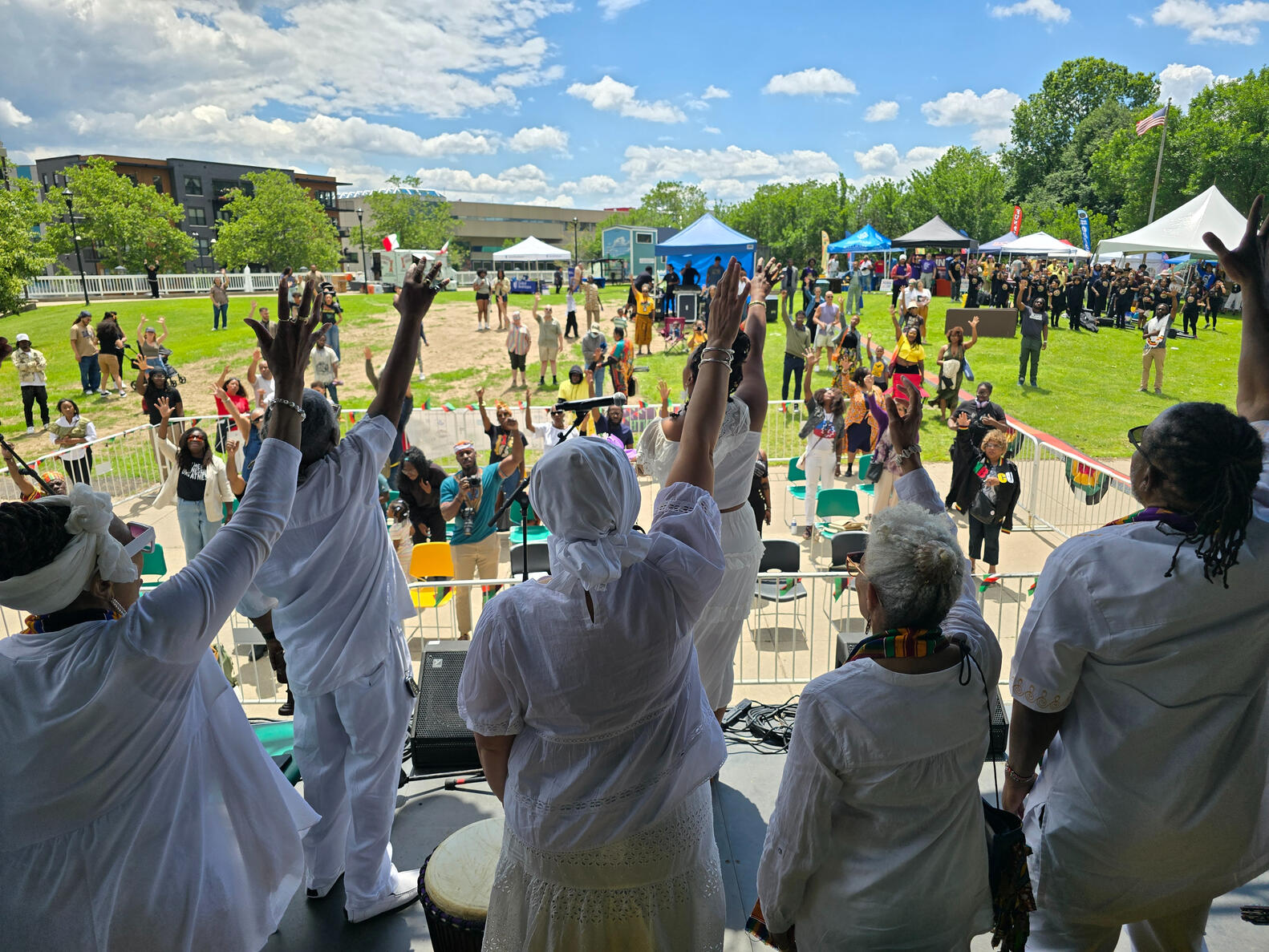
Wazee Recognition Ceremony: Juneteenth 2026
Photos
https://photos.app.goo.gl/sC1PJHApjYPm9XbL7

Contact us:
[email protected]